
5 Best (and Affordable) States to Invest in Real Estate in 2026

Let's get real about real estate investing. You've probably heard the same advice a thousand times: location, location, location. But what does that actually mean when you're trying to figure out where to put your hard-earned money in 2026?
I'm not going to waste your time with vague platitudes. This guide digs into five states where your investment dollars can actually work for you, backed by real numbers, population data, and market trends that matter.
Whether you're sitting on $75,000 ready to buy your first rental property or you're an experienced investor looking to diversify into new markets, this breakdown will help you make a smarter decision about where to invest this year.
What Actually Makes a State Worth Investing In?
Before we jump into the rankings, let's talk about what we're looking for. Not all "hot markets" are created equal, and some of the flashiest headlines hide terrible fundamentals.
Here's what separates the winners from the wannabes:
Affordability matters. If the median home price is $800,000, you're going to need serious capital just to get started. We're looking at states where you can actually get in the game without emptying your retirement account.
People are moving there, not leaving. Population growth means more renters, more demand, and ultimately higher property values. Ghost towns don't make good investments, no matter how cheap the houses are.
Jobs, jobs, jobs. Your tenants need paychecks. States with diverse, growing economies give your renters more opportunities to stay employed through economic ups and downs.
The law is on your side. Some states make it nearly impossible to remove problem tenants or raise rents. Others protect property owners' rights. Guess which ones are better for investors?
The math works. At the end of the day, can you collect enough rent to cover your mortgage, taxes, insurance, and repairs while still making a profit? If the numbers don't work, nothing else matters.
The five states below check most or all of these boxes. Let's break them down.
1. California (East Bay): The Tesla-Powered Investment Boom
What You Need to Know:
Median home prices: $750,000 to $950,000
State income tax: 9.3% to 13.3%
Focus area: East Bay (Fremont, Hayward)
Rental yields: 4.5% to 5.5%
Tesla just committed over $20 billion to expand here
Why Start With California? Here's the Truth
Yes, California is expensive. Yes, the taxes are high. Yes, the regulations are complex. But sometimes the biggest opportunities hide in plain sight while everyone else is looking elsewhere.
The East Bay region, particularly around Fremont, is experiencing a transformation that's creating opportunities we haven't seen since the early days of Silicon Valley. And it all centers around one company's massive bet on the future.
The Tesla Effect: $20 Billion Says It All
While everyone talks about Tesla moving its headquarters to Texas, here's what actually happened: the company just doubled down on California with over $20 billion in planned investment for 2026.
In recent months, Tesla leased more than 375,000 square feet of advanced manufacturing and R&D space in Fremont. This isn't a company quietly winding down operations. This is a company betting its future on the Bay Area.
The numbers tell the story:
30,000+ employees work at Tesla's Fremont factory right now. That's 30,000 paychecks, 30,000 people who need housing, 30,000 potential tenants within a few miles.
1 million Optimus robots annually is the production target for the new facilities. Tesla is pivoting from just cars to robotics and AI, and they're building that future in Fremont.
108,000 square feet of new R&D space just for AI and autonomous driving research. The company keeps hiring engineers and AI specialists at California wages, which means $150,000 to $300,000 salaries.
And Tesla isn't alone in this bet. Rivian operates autonomy hubs in Palo Alto. General Motors runs AI centers in Mountain View. Toyota relocated its entire software division to Santa Clara. The automotive industry's brain trust is clustering in the Bay Area because that's where the talent lives.
What This Means for Real Estate
Here's the simple math: massive job growth plus limited housing supply equals opportunity.
Fremont rental searches jumped 26% year-over-year in 2025 according to Zumper. The Warm Springs Innovation District, anchored by Tesla's factory and the BART station, covers 850 acres of planned development. But construction can't keep pace with job creation.
Tech workers in this region can afford $3,000 to $5,000 monthly rents without blinking. They're not price-sensitive renters. They want quality housing near their jobs, and they'll pay premium prices for convenience.
Fremont's Economic Development Director put it bluntly: "We've added millions of square feet of space, and advanced manufacturers are gobbling it up as fast as it can be built. If you've used a large language model or shared something on social media, there's a good chance that the server that enabled it was made in Fremont."
This isn't speculation about what might happen. This is capital being deployed right now.
The Sohay Square Opportunity
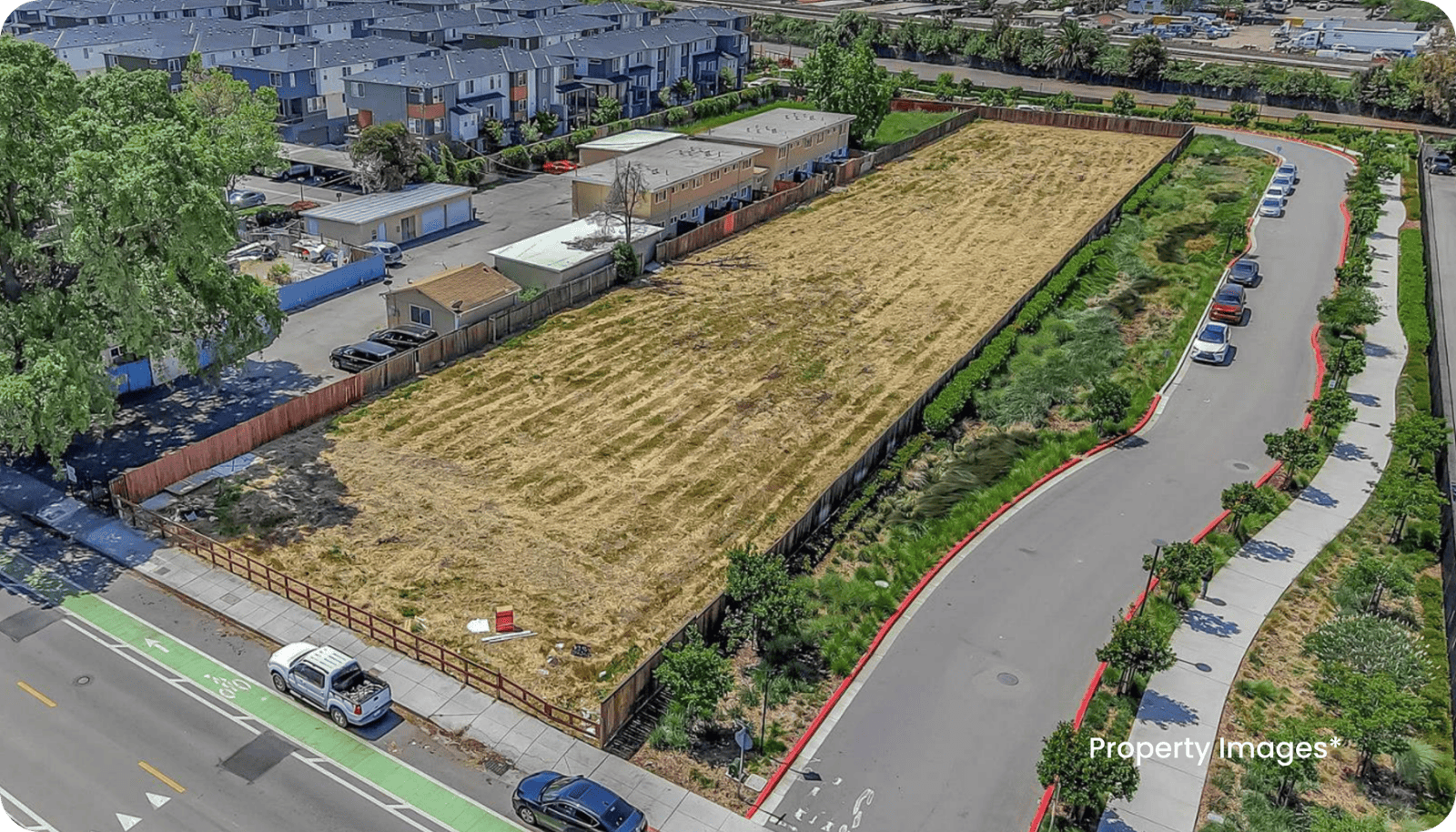
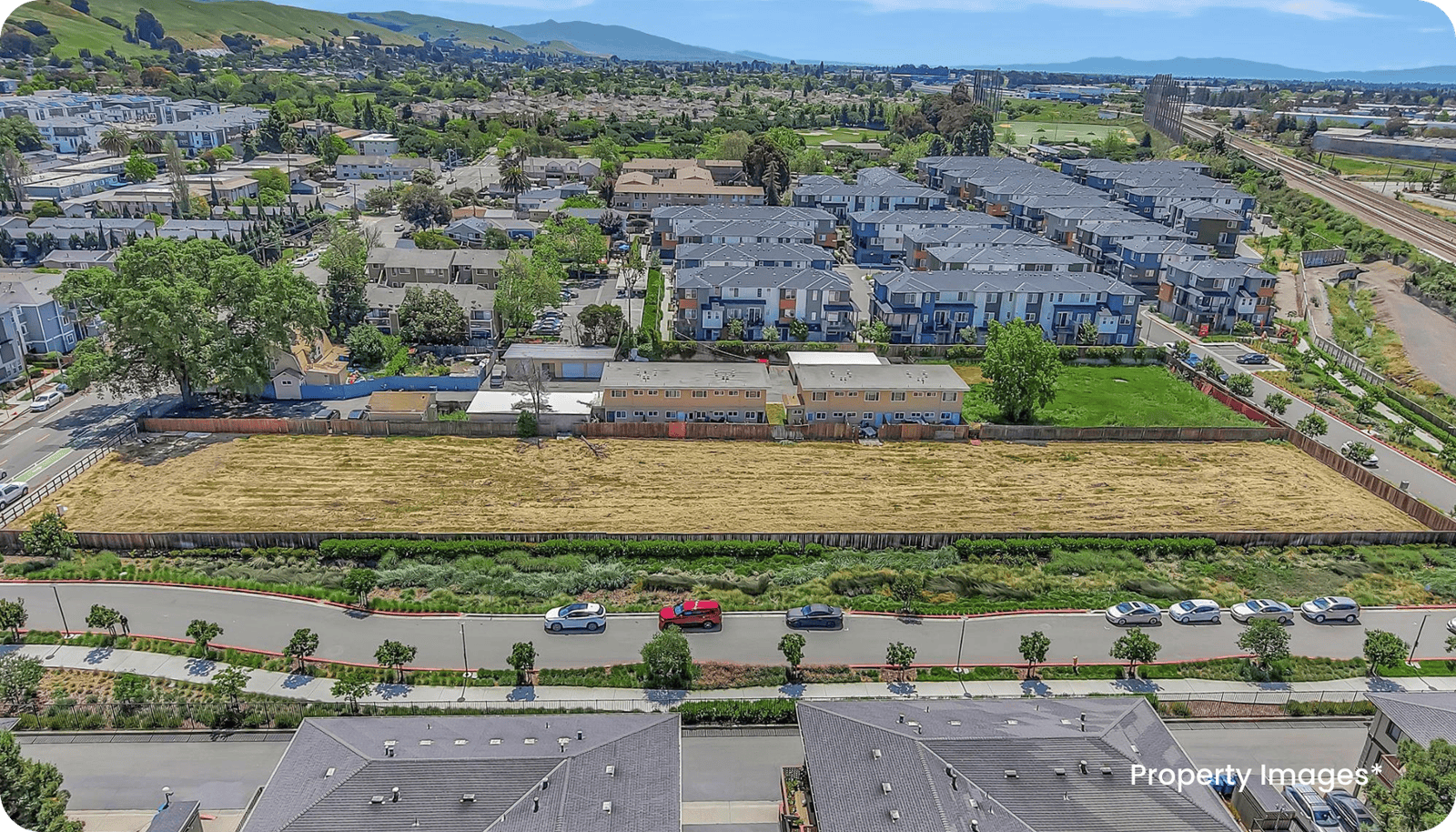
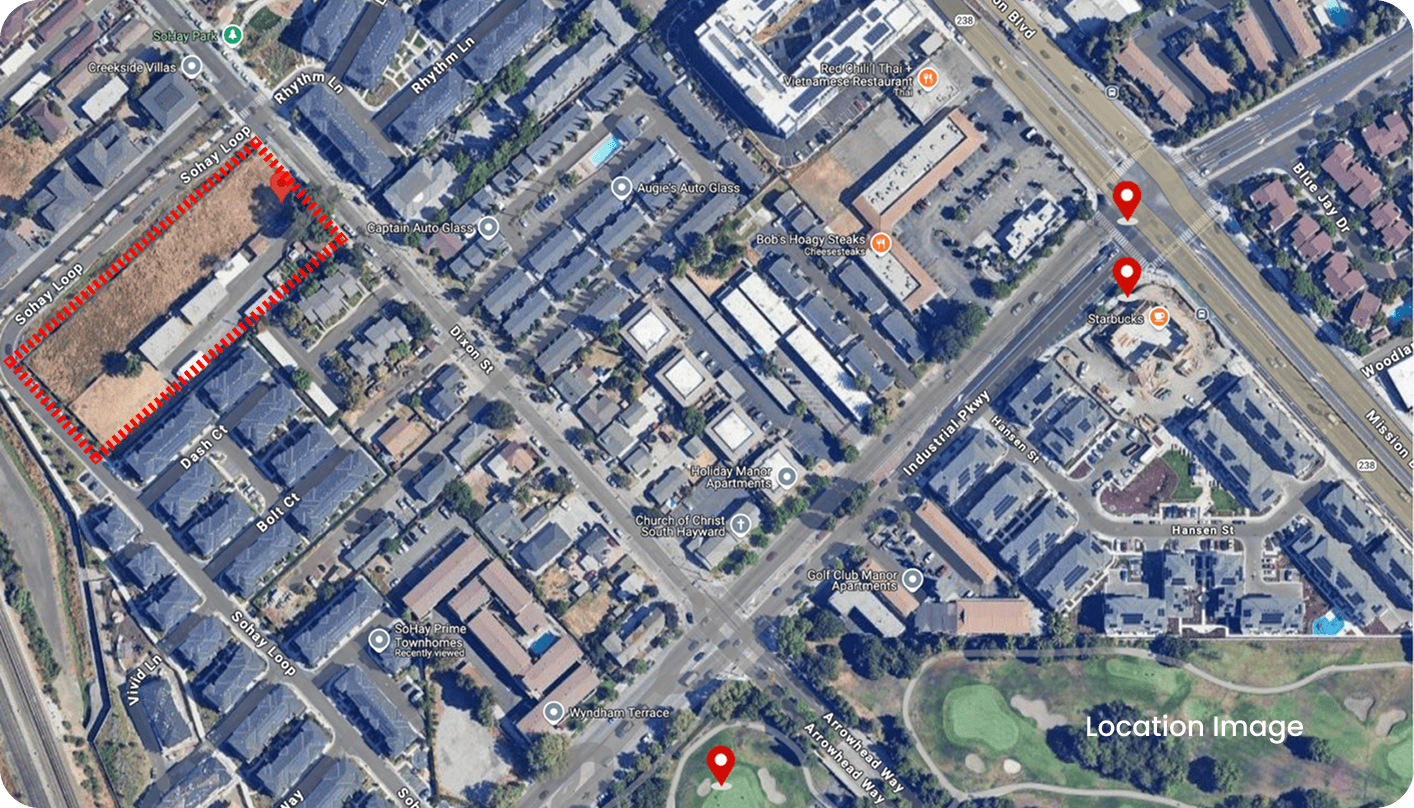
This is where strategic development makes all the difference. Sohay Square is a ground-up townhome community built specifically for this moment.
Located in the heart of the Bay Area near Tesla's operations, the project targets the professional workforce driving the region's growth. These aren't luxury condos priced out of reach. These are modern townhomes positioned between expensive single-family homes and basic apartments.
The Investment Thesis:
The project targets 16% to 22% levered IRR with equity multiples between 1.5x and 1.74x over approximately three years. Those aren't typical residential rental returns. Those are development-level returns backed by the strongest job growth in America.
What makes these projections realistic? Complete vertical integration. The sponsor controls every stage: development, construction, supply chain, property management, and asset management.
No general contractor taking 15% to 20% off the top. No third-party markups inflating costs. Everything runs in-house, cutting project costs by 30% or more compared to traditional development.
This integration matters because in California's high-cost environment, controlling expenses is the difference between mediocre returns and exceptional ones. Get in Touch for full Investment Deck
Who Should Invest in East Bay California?
This is not first-time investor territory. You need substantial capital, tolerance for complexity, and ideally professional management relationships.
If you're stretching to buy your first rental property with $75,000 saved, Texas or Ohio makes infinitely more sense. Get experience there first.
But if you're an experienced investor with $200,000+ in capital, want exposure to America's innovation economy, and can handle regulatory complexity, the East Bay offers return potential that simply doesn't exist in simpler markets.
Projects like Sohay Square provide turnkey access without requiring you to become an overnight expert in California real estate law. You're partnering with operators who handle the complexity while you capture the upside.
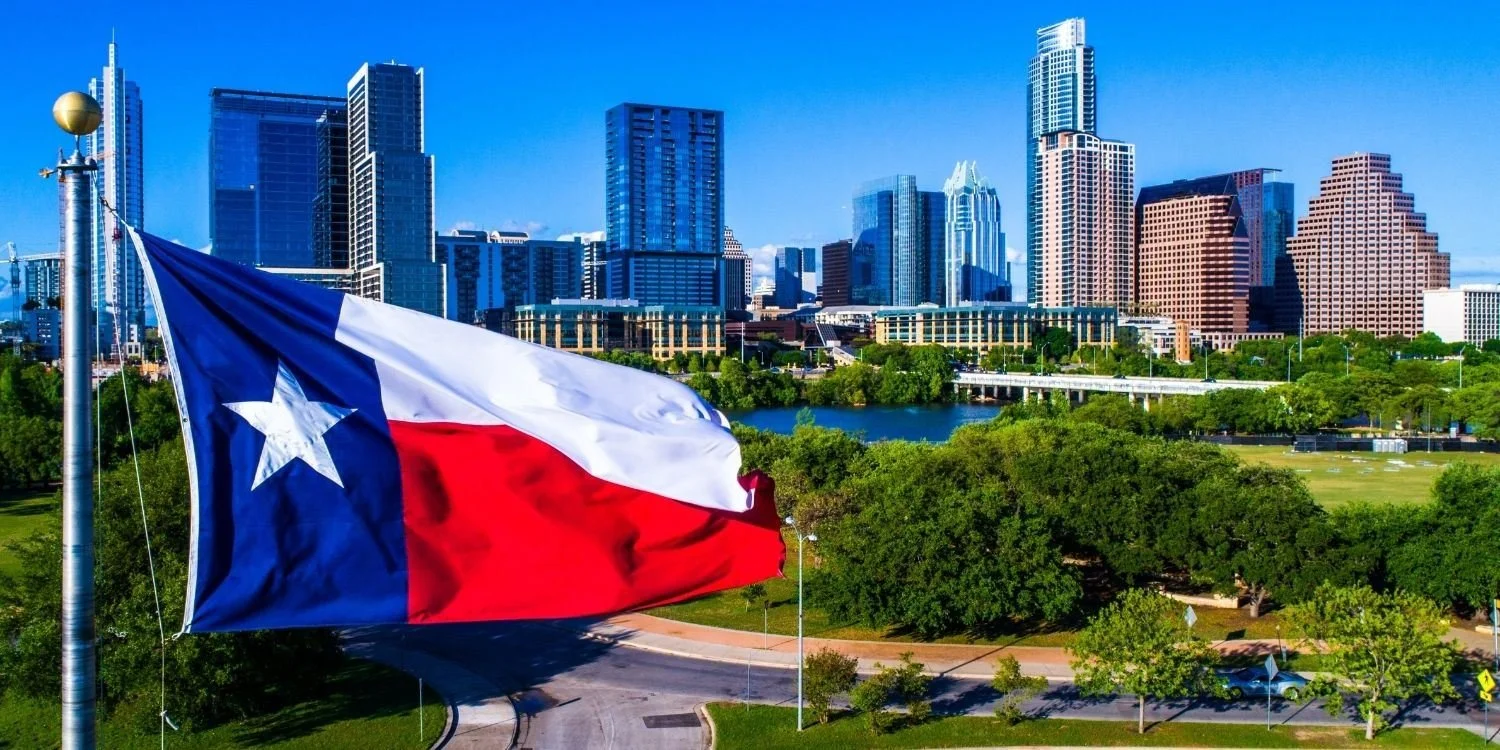
2. Texas: Where Everyone's Moving (And For Good Reason)
What You Need to Know:
Median home prices: $297,000 to $385,000 depending on the city
No state income tax (yes, really)
Top cities: Dallas, San Antonio, Houston
Rental yields: 6.8% to 8.9%
Added 400,000 new residents in 2025 alone
Why Texas Keeps Winning
If you talk to any serious real estate investor, Texas comes up within the first five minutes. And for good reason. This state just keeps growing.
Dallas-Fort Worth now has over 8.3 million people, and experts predict it'll hit 10 million by 2030. That's adding roughly a mid-sized city's worth of population every few years. All those people need somewhere to live.
But here's what makes Texas different from other fast-growing states: economic diversity. Dallas has finance and tech. Houston has energy, healthcare, and aerospace. San Antonio has military, tourism, and a booming medical sector. When one industry hits a rough patch, the others keep humming along.
And then there's the zero state income tax thing. Every dollar of rental income you earn stays in your pocket instead of going to the state capitol. Over years of investing, that adds up to real money.
The Three Texas Plays
Dallas-Fort Worth is for investors who want appreciation. Home values have jumped 48% over the past five years. The suburbs like Plano, Frisco, and Allen have excellent schools, which means families who stay put for years. Less turnover equals lower costs and more consistent income.
San Antonio is the bargain hunter's dream. At $297,000 to $310,000 for a median home, it's the cheapest major Texas market. But don't confuse cheap with weak. Joint Base San Antonio employs thousands of service members who need housing. The South Texas Medical Center keeps expanding. The fundamentals are solid.
Houston is where cash flow lives. With rental yields pushing 8% or higher, you can actually make money from day one instead of hoping for appreciation down the road. The city has diversified way beyond oil and gas into healthcare (Texas Medical Center is the world's largest), aerospace, and technology.
Who Should Invest in Texas?
If you're just starting out and have $50,000 to $100,000 saved up, San Antonio gives you the best entry point. You can buy a decent single-family home in a safe neighborhood, rent it to a military family or healthcare worker, and actually sleep at night knowing your tenant has stable employment.
If you've got more experience and you're playing the long game, Dallas suburbs offer the best appreciation potential. Buy in a good school district, and you'll have waiting lists of families who want to rent from you.
Houston works for the Goldilocks investors who want some cash flow now but also believe the city will keep growing over the next decade.
3. Florida: The Sunshine State Still Shines
What You Need to Know:
Median home prices: $282,000 to $535,000
No state income tax
Top cities: Jacksonville, Tampa, Port St. Lucie
Rental yields: 5% to 8.6%
Retirees and families keep moving in

The Florida Story
Everyone knows about Florida. Retirees flock there for the weather. Families move there to escape high-tax states like New York and California. And unlike some states where growth is concentrated in one city, Florida offers opportunities all over the map.
Let's talk about Jacksonville first because it's the best-kept secret in Florida real estate. Median home prices sit around $282,000, which feels like time travel compared to Miami or Orlando. The city's population grows about 1.2% every year, which sounds small until you realize that's thousands of new residents who all need housing.
Jacksonville isn't just cheap, though. It's a legitimate economic hub. Major port. Financial services companies like Fidelity with big operations. Logistics centers. These are the kinds of stable employers that keep rent checks coming in.
Tampa-St. Petersburg gives you more juice if you're willing to pay a bit more. The region has a growing tech scene, the University of South Florida churning out educated workers, and yes, a whole lot of tourism. Even during economic wobbles, Tampa has maintained strong rental rates.
Port St. Lucie targets a different demographic. This is retirement community territory, but not the stereotype you might think. These are active retirees with pensions and Social Security checks that arrive like clockwork. They rent long-term, take care of properties, and rarely cause headaches. For investors who value stability over maximum returns, Port St. Lucie delivers.
But Let's Talk About Insurance
Florida has a problem, and we need to address it head-on: insurance costs are brutal. Hurricane risk, flood zones, and recent storms have made insurance companies nervous. Premiums have jumped, and in some areas, companies have pulled out entirely.
Does this mean you should avoid Florida? Not necessarily. It means you need to be smart.
Focus on inland properties. Areas like Brandon, Lutz, or Riverview near Tampa give you market access without the coastal insurance nightmare. Same with neighborhoods west of Jacksonville's beaches. You'll still have higher insurance costs than Texas or Ohio, but they're manageable.
Run your numbers assuming 15% to 20% insurance increases annually for the first few years. If your property still cash flows with those assumptions, you're probably okay. If it's break-even or negative, walk away. There are plenty of other opportunities out there.
Who Should Invest in Florida?
Jacksonville works for investors who want Florida exposure without Florida prices. You get the no-tax benefit, population growth, and reasonable entry costs. Tampa is for people who believe in the city's tech scene and don't mind paying a premium for growth potential. Port St. Lucie attracts buy-and-hold investors who value tenant stability more than explosive appreciation.
4. North Carolina: The Best-Kept Secret on the East Coast
What You Need to Know:
Median home prices: $340,000 to $450,000
State income tax: 4.5% (reasonable and stable)
Top cities: Raleigh-Durham, Charlotte, Greensboro
Rental yields: 6% to 7.5%
Tech and healthcare sectors booming
Why North Carolina Deserves More Attention
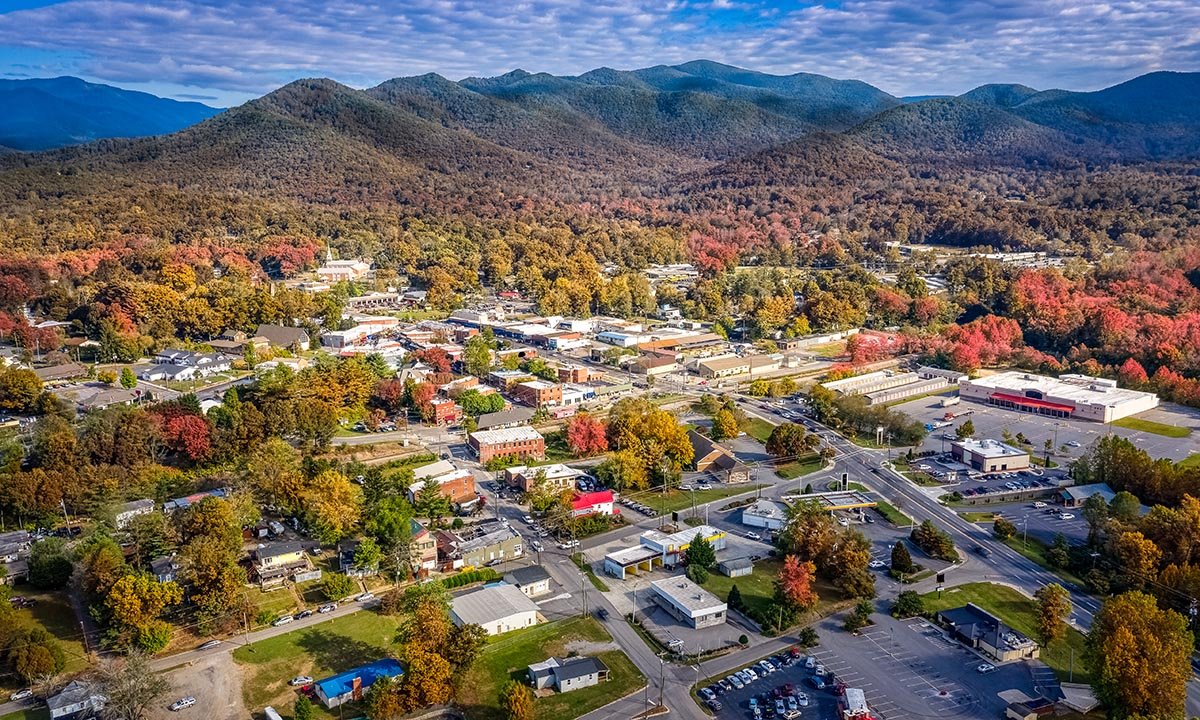
If Texas and Florida are the popular kids everyone knows about, North Carolina is the smart kid who's going to end up running the company.
The Research Triangle (Raleigh, Durham, and Chapel Hill) creates what economists call a "brain gain" environment. Duke University, UNC Chapel Hill, NC State, and Research Triangle Park attract educated professionals from across the country. These aren't minimum wage workers. These are engineers, researchers, and healthcare professionals who can afford $1,800 to $2,500 monthly rents.
Charlotte has quietly become the second-largest banking center in America after New York. Bank of America's headquarters. Wells Fargo operations. But the city has learned from past mistakes. The economy has diversified into tech, healthcare, and advanced manufacturing, so it's not entirely dependent on finance anymore.
Here's what I love about North Carolina for real estate investors: balance. You get strong job growth without California-level prices. You get educated tenants without Boston-level regulations. You get appreciation potential without Las Vegas-level speculation.
The Landlord-Friendly Factor
This matters more than new investors realize. North Carolina has straightforward eviction processes if you get a bad tenant. No statewide rent control strangling your ability to adjust to market rates. Property taxes are reasonable. The courts generally respect property rights.
Compare that to states where evicting a non-paying tenant takes six months and costs $10,000 in legal fees. The difference is massive.
The Greensboro Dark Horse
While everyone talks about Charlotte and Raleigh, smart investors are looking at Greensboro. The city recently landed the Jet Zero Aerospace project, a multi-billion dollar investment that's going to create thousands of high-paying jobs.
Greensboro's median home prices sit below both Charlotte and Raleigh, but the economic indicators suggest that gap will close. If you're willing to be a bit early to the party, Greensboro could deliver outsized returns over the next five to seven years.
Who Should Invest in North Carolina?
This state works for investors who want quality over quantity. You're not going to find $150,000 houses in Raleigh, but you're going to find tenants who have good credit, stable jobs, and respect for your property.
If you value appreciation and tenant quality more than maximum cash flow, North Carolina should be on your short list.
5. Ohio: The Most Underrated Cash Flow Machine in America
What You Need to Know:
Median home prices: $220,000 to $270,000
State income tax: 2.75% to 3.5%
Top cities: Cleveland, Columbus, Cincinnati
Rental yields: 8% to 9.8%
Lowest entry costs for immediate cash flow

Why Ohio Gets No Respect (But Probably Should)
Ohio doesn't make flashy headlines. Nobody's writing think pieces about Rust Belt revivals and Cleveland's comeback. And you know what? That's exactly why smart investors love it.
Let's talk about numbers that matter. In Cleveland, you can buy a solid single-family home for around $220,000. That same property might rent for $1,800 to $2,000 per month. Do the math. That's a 9%+ rental yield, which means actual positive cash flow from month one.
Compare that to hot markets where you're buying a $600,000 property and hoping it appreciates because the rental income barely covers your mortgage payment. Ohio properties actually pay you to own them.
The Cleveland Healthcare Economy
Here's what most people miss about Cleveland: it's not a dying industrial city anymore. The Cleveland Clinic is one of the world's top hospitals. University Hospitals employs thousands. Case Western Reserve University brings in students and researchers.
These are stable, recession-resistant jobs. Healthcare workers don't get laid off when the stock market crashes. Students need housing whether the economy is booming or struggling. This creates tenant demand that persists through economic cycles.
Columbus and Cincinnati offer similar dynamics but with different flavors. Columbus has Ohio State (one of America's largest universities) plus a growing tech scene. Cincinnati has established corporate headquarters like Procter & Gamble and Kroger providing economic ballast.
The Reality Check on Ohio
I'm not going to sugarcoat this: Ohio properties are often older. Built in the 1950s, 60s, and 70s. That means you need to budget for capital expenditures more carefully than in newer markets.
Before you buy, have an inspector tell you when major systems (roof, HVAC, plumbing, electrical) will need replacement. If the roof has five years left, budget $8,000 for replacement in your pro forma. If the furnace is 18 years old, it's living on borrowed time.
The good news? Property prices are low enough that you can absorb these costs and still make money. In a $600,000 market, a $12,000 HVAC replacement is a disaster. In a $220,000 market, it's annoying but manageable.
Who Should Invest in Ohio?
First-time investors who want to see money coming in immediately should start here. You can buy a property with $50,000 down, collect rent that exceeds your mortgage payment, and actually experience what positive cash flow feels like.
If your goal is building monthly income rather than chasing maximum appreciation, Ohio delivers. You won't double your money in three years, but you'll collect checks every month while you sleep.
Comparing Your Options: Making the Right Choice
Let me lay this out in a way that actually helps you decide:
If you're an experienced investor with $200,000+ capital: California's East Bay offers the highest return potential backed by Tesla's expansion and tech sector growth. You'll need to handle complexity, but the upside justifies it.
If you're a first-time investor with under $100,000: Start with Ohio or San Antonio, Texas. Low entry costs, immediate cash flow, and manageable complexity let you learn the business without betting the farm.
If you want the best balance of cash flow and appreciation: Dallas or Houston, Texas wins. You'll make money monthly while the property value grows. Hard to beat that combination.
If you prioritize tenant quality over maximum returns: North Carolina delivers educated renters who take care of properties and pay rent on time. Your stress level drops significantly.
If you want tax advantages and steady growth: Florida gives you zero state income tax plus consistent population growth. Just be smart about insurance.
The Market Environment in 2026
A few things are making this year particularly interesting for real estate investors:
Mortgage rates have finally stabilized in the 5.5% to 6.5% range. After years of volatility, we have some predictability again. That matters when you're planning long-term investments.
There's a massive wave of commercial real estate loans maturing between 2025 and 2027. Over $500 billion in debt. Owners who borrowed at 3% now face refinancing at 6% or 7%. Some will sell rather than refinance, creating opportunities for investors with capital.
Construction of starter homes has collapsed over the past 50 years. We're building 80% fewer small homes than we did in the 1970s. Meanwhile, the population keeps growing. Basic supply and demand says housing prices should stay supported.
Remote work patterns have normalized. We're not seeing the wild swings of 2020 and 2021 anymore. People have decided where they want to live, and migration patterns have steadied. That makes market selection more predictable.
California's East Bay, Texas, Florida, North Carolina, and Ohio each offer legitimate opportunities for real estate investors in 2026. But they're not interchangeable.
East Bay California leads for experienced investors who want maximum returns backed by Tesla's $20B expansion and can navigate complexity.
Texas wins for investors who want the best overall package: growth, cash flow, landlord protection, and tax benefits.
Florida delivers if you can navigate insurance challenges and want zero state income tax.
North Carolina gives you quality tenants and appreciation in a balanced, stable environment.
Ohio provides immediate cash flow with the lowest entry barrier of any major market.
The worst mistake you can make is trying to invest everywhere. Pick one state. Get good at it. Learn the markets, build your team, and master the process. Then expand if you want.
Real estate wealth comes from focused execution, not scattered attempts. Choose your market wisely, do your homework thoroughly, and invest deliberately.
The opportunities are there. The question is whether you'll act on them.
Ready to explore professionally managed real estate investment opportunities in high-growth markets? Learn how vertically integrated development projects like Sohay Square are delivering superior returns by controlling every stage of the investment process.
